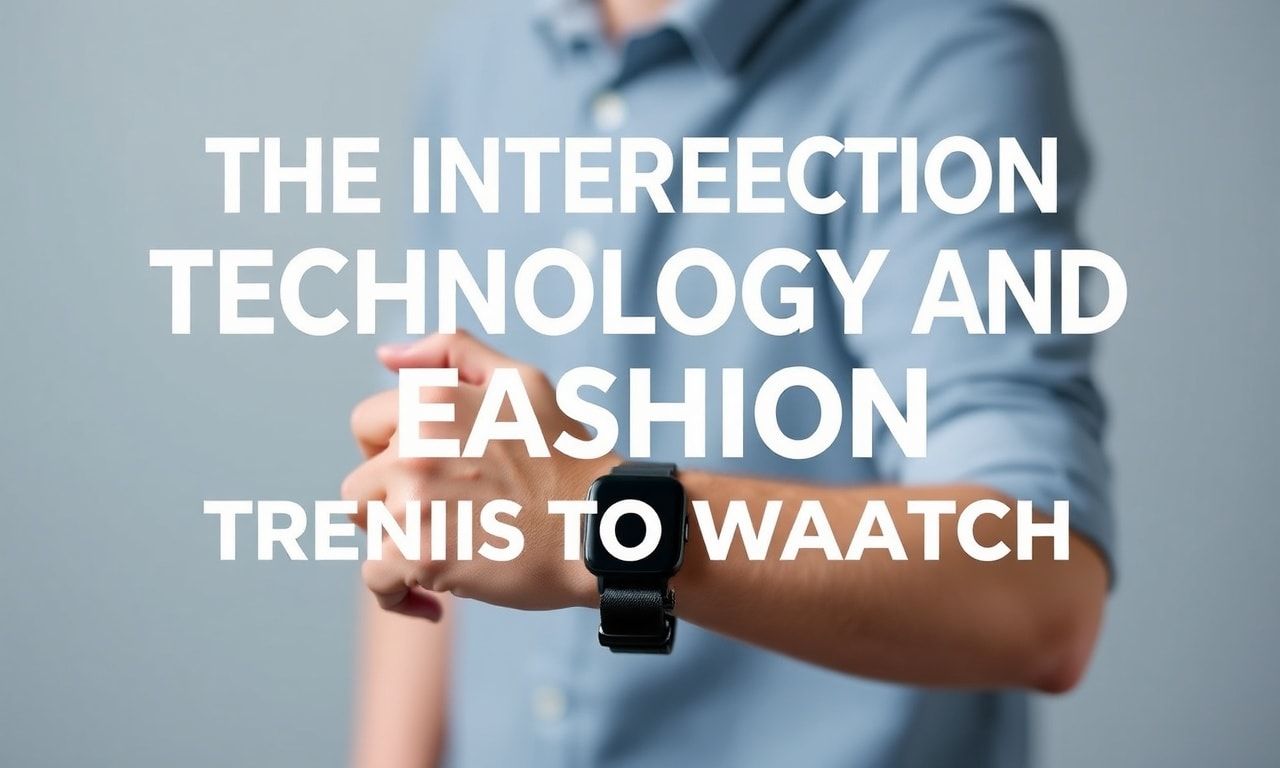
The Evolution of Wearable Technology
Wearable technology has come a long way from the basic pedometers and heart rate monitors of the past. Today, wearables are sophisticated gadgets that integrate seamlessly into our daily lives, offering a range of functionalities from health monitoring to augmented reality experiences. The fusion of technology and fashion has given rise to a new breed of wearables that are not only functional but also stylish. This article explores the latest trends in wearable technology and how they are shaping the future of both industries.
Health and Fitness Wearables
The health and fitness sector has seen a significant boom in wearable technology. Devices like smartwatches and fitness bands are now equipped with advanced sensors that can monitor a wide range of health metrics, including heart rate, sleep patterns, and even blood oxygen levels. These wearables often come with companion apps that provide detailed insights and personalized recommendations to help users lead healthier lives. The integration of artificial intelligence (AI) in these devices has further enhanced their capabilities, making them more accurate and user-friendly.
One of the most exciting developments in this area is the rise of smart clothing. These garments are embedded with sensors and microchips that can track various health parameters and provide real-time feedback. For instance, smart shirts can monitor heart rate and respiration, while smart socks can detect early signs of foot ulcers in diabetic patients. The potential applications of smart clothing are vast, and as technology continues to advance, we can expect to see even more innovative solutions in this space.
The Role of AI in Wearable Technology
Artificial intelligence is playing a pivotal role in the evolution of wearable technology. AI algorithms can analyze vast amounts of data collected by wearables to provide personalized insights and recommendations. For example, AI-powered wearables can detect patterns in a user’s activity levels and suggest ways to improve their fitness routine. They can also monitor health metrics and alert users to potential health issues before they become serious.
AI is also enhancing the user experience of wearables by making them more intuitive and responsive. Voice assistants like Siri and Google Assistant are now integrated into many wearables, allowing users to control their devices hands-free. This integration not only makes wearables more convenient to use but also opens up new possibilities for their application in various fields, from healthcare to education.
Fashion Meets Technology
The intersection of fashion and technology is giving rise to a new wave of wearables that are as stylish as they are functional. Designers are collaborating with tech companies to create wearables that not only look good but also offer advanced features. This collaboration is resulting in a range of products, from smart jewelry to high-tech footwear, that cater to the needs of fashion-conscious consumers.
One of the most notable trends in this area is the rise of smart jewelry. These accessories, which include smart rings, bracelets, and necklaces, are designed to look like traditional jewelry but offer advanced functionalities such as fitness tracking, contactless payments, and even health monitoring. The 2026 modası en trend aksesuar türleri are likely to include a variety of smart jewelry options that combine style and technology in innovative ways.
The Future of Wearable Technology
The future of wearable technology looks bright, with several exciting developments on the horizon. One of the most promising areas is the development of augmented reality (AR) wearables. These devices, which include AR glasses and headsets, overlay digital information onto the real world, creating immersive and interactive experiences. AR wearables have the potential to revolutionize various industries, from gaming and entertainment to education and healthcare.
Another area of growth is the development of wearable technology for healthcare applications. Wearables are increasingly being used to monitor chronic conditions, manage medications, and even detect early signs of illness. The integration of AI and machine learning algorithms in these devices is making them more accurate and reliable, paving the way for a new era of personalized healthcare.
Cybersecurity Concerns
As wearable technology becomes more prevalent, concerns about cybersecurity are also on the rise. Wearables collect and transmit sensitive data, making them potential targets for cyberattacks. To address these concerns, manufacturers are implementing robust security measures, such as encryption and secure authentication protocols, to protect user data.
Consumers also have a role to play in ensuring the security of their wearables. They should be aware of the potential risks and take steps to protect their devices, such as using strong passwords and keeping their software up to date. By working together, manufacturers and consumers can create a safer and more secure environment for wearable technology.
Conclusion
The intersection of technology and fashion is giving rise to a new wave of wearables that are transforming the way we live, work, and play. From health and fitness trackers to smart jewelry and AR wearables, the possibilities are endless. As technology continues to advance, we can expect to see even more innovative solutions that combine style and functionality in exciting ways. The future of wearable technology is bright, and it is set to play a pivotal role in shaping the industries of tomorrow.
As tech and fashion continue to intersect, discover which brands are leading the way in innovative accessories by exploring 2026’s top accessory trends.
As technology continues to reshape industries, explore how AI and innovation drive trends in the fashion and entertainment sectors by 2026.
Discover how tech innovations are enhancing our daily lives with smart living and well-being secrets, a must-read for tech enthusiasts.