The Rise of AI in Digital Art
The digital art landscape is undergoing a transformative shift, driven by the advent of artificial intelligence (AI). This technological revolution is not only democratizing art creation but also pushing the boundaries of what is possible in the digital realm. AI algorithms, capable of learning and mimicking human creativity, are now being used to generate stunning visual art, music, and even literature. This intersection of technology and creativity is reshaping the way artists work and how audiences engage with art.
Understanding AI-Generated Art
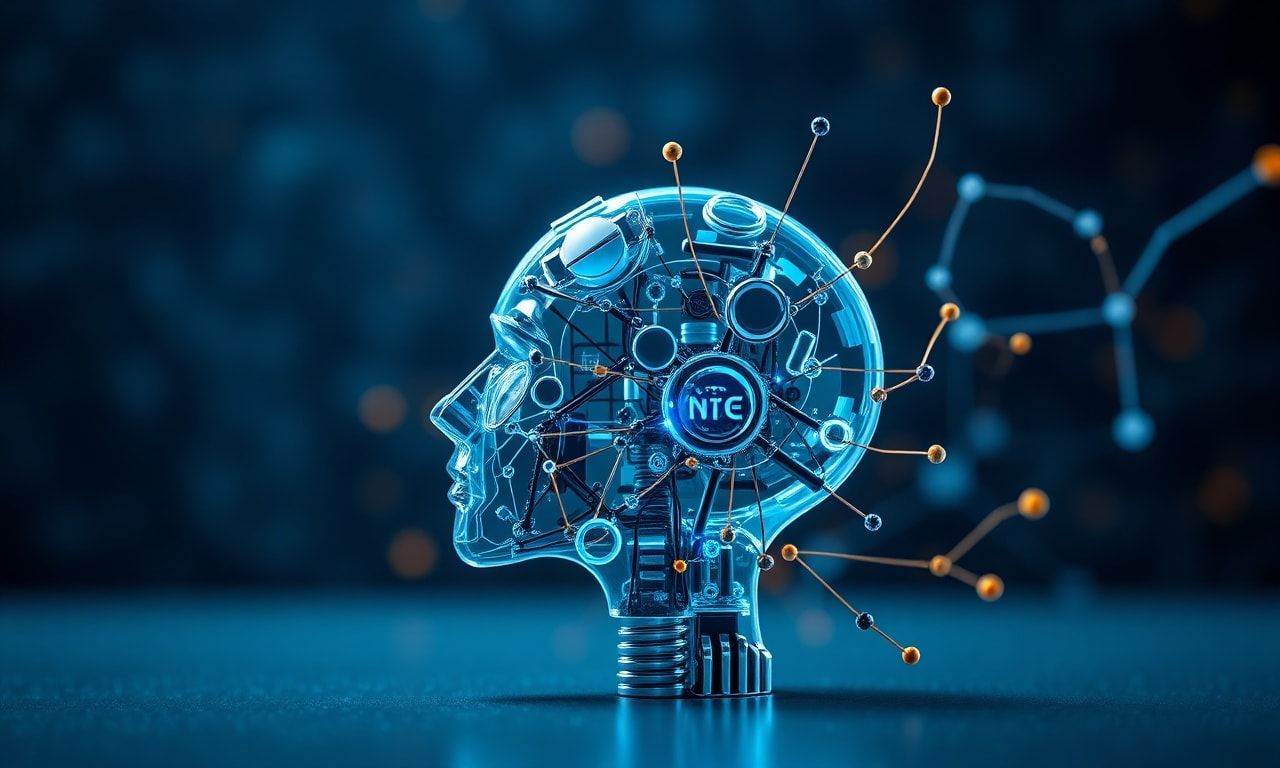
AI-generated art refers to artwork created with the assistance of artificial intelligence. These systems use machine learning algorithms to analyze vast datasets of existing art, learning patterns, styles, and techniques. By understanding these elements, AI can generate new pieces that mimic or innovate upon traditional art forms. This process involves deep learning, where neural networks are trained to recognize and replicate artistic styles, colors, and compositions. The result is a fusion of human creativity and machine precision, producing art that is both unique and intriguing.
One of the most notable examples of AI-generated art is the creation of “Portrait of Edmond Belamy,” which sold for $432,500 at Christie’s auction house in 2018. This piece, generated by the French art collective Obvious using a Generative Adversarial Network (GAN), highlighted the potential of AI in the art world. GANs consist of two neural networks—a generator that creates images and a discriminator that evaluates them. Through this iterative process, the generator improves its ability to produce realistic and aesthetically pleasing art.
The Role of AI in Enhancing Creativity
AI is not just a tool for creating art; it is also a catalyst for enhancing human creativity. By automating repetitive tasks and providing new perspectives, AI allows artists to focus on the conceptual and emotional aspects of their work. For instance, AI can generate multiple variations of a design, helping artists explore different styles and compositions quickly. This efficiency enables artists to experiment more freely and push the limits of their creativity.
Moreover, AI can assist in the curation and promotion of art. Platforms like Pinterest leverage AI to recommend art to users based on their preferences, increasing the visibility of artists’ work. If you’re an artist looking to showcase your digital art, learning how to create a successful art Pinterest page can significantly boost your reach and engagement. AI-driven tools can also analyze market trends and audience behavior, providing valuable insights for artists to tailor their work to specific audiences.
The Future of AI in Art
The future of AI in art is bright and full of possibilities. As AI technology continues to evolve, we can expect even more sophisticated and innovative applications in the art world. For example, AI could be used to create interactive art installations that respond to human emotions or environmental changes. Virtual reality (VR) and augmented reality (AR) technologies, combined with AI, could revolutionize the way we experience art, making it more immersive and personalized.
Additionally, AI could play a crucial role in preserving and restoring historical artworks. By analyzing and reconstructing damaged pieces, AI can help conserve cultural heritage for future generations. This application of AI in art conservation highlights its potential to bridge the gap between technology and cultural preservation.
Challenges and Ethical Considerations
Despite the numerous benefits of AI in art, there are also challenges and ethical considerations to address. One of the primary concerns is the issue of originality and authorship. As AI-generated art becomes more prevalent, questions arise about who owns the rights to these creations—the artist, the AI, or the developer of the AI algorithm. This debate raises complex legal and ethical issues that need to be resolved to ensure fair compensation and recognition for all parties involved.
Another challenge is the potential for AI to devalue human creativity. As AI becomes more proficient at generating art, there is a risk that the market may favor machine-made art over human-made art, undermining the value of traditional artistic skills. To mitigate this risk, it is essential to promote a balanced approach that integrates AI as a tool to enhance, rather than replace, human creativity.
Conclusion
The intersection of technology and creativity, particularly through the lens of AI, is transforming the art world in profound ways. From generating stunning visual art to enhancing the creative process and preserving cultural heritage, AI offers immense potential for innovation and growth. However, it is crucial to address the challenges and ethical considerations associated with AI-generated art to ensure a fair and sustainable future for both human and machine-made art. As we continue to explore the possibilities of AI in art, we must strive to create a harmonious balance that celebrates the unique contributions of both human creativity and technological innovation.