The Evolution of Cybersecurity
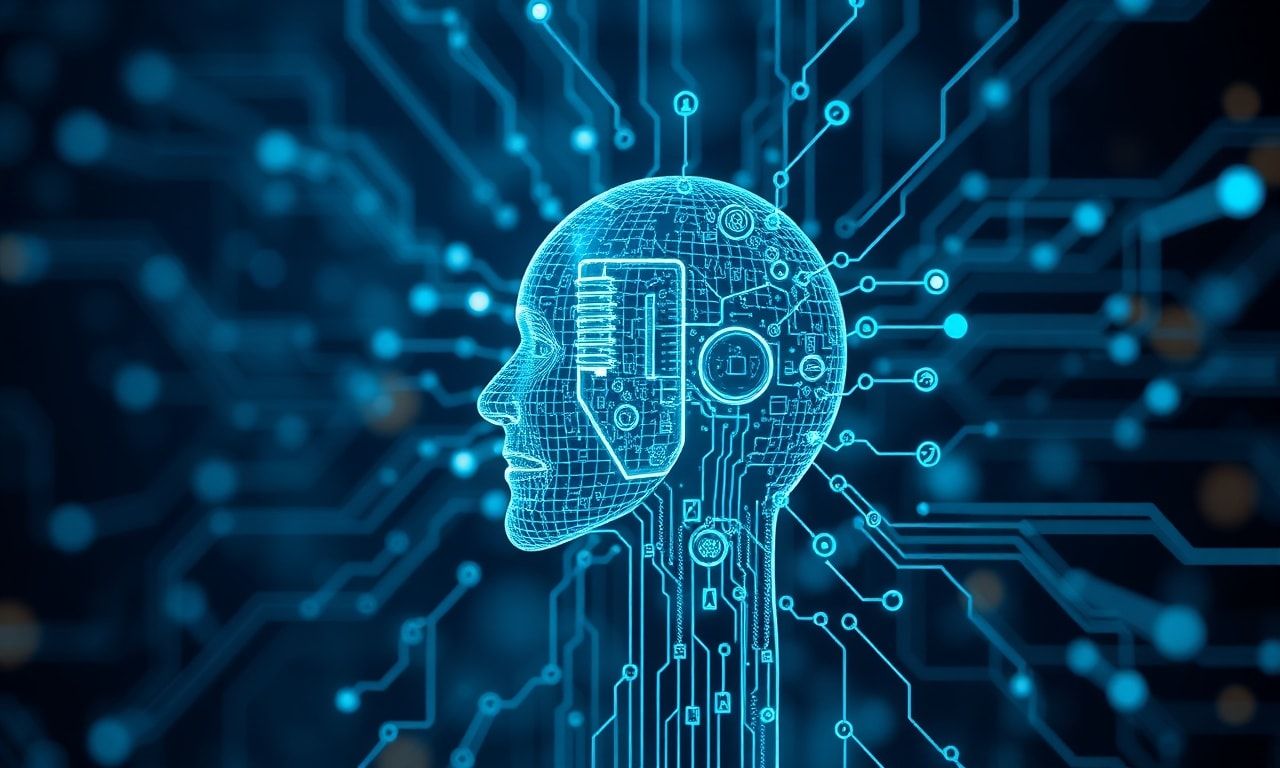
The landscape of cybersecurity has undergone a profound transformation over the past few decades. As technology advances, so do the threats that accompany it. The days of simple antivirus software are long gone, and we now find ourselves in an era where cyber threats are more sophisticated and pervasive than ever before. This evolution has necessitated the development of more advanced and adaptive security measures. One of the most promising developments in this field is the integration of artificial intelligence (AI) into cybersecurity protocols.
The Role of AI in Modern Cybersecurity
AI has emerged as a powerful tool in the fight against cybercrime. Its ability to analyze vast amounts of data, identify patterns, and make predictions makes it an invaluable asset in detecting and mitigating cyber threats. AI-driven security systems can learn from past incidents, adapt to new threats, and respond in real-time, providing a level of protection that traditional methods simply cannot match. These systems can identify anomalies in network traffic, detect phishing attempts, and even predict potential vulnerabilities before they are exploited.
Machine Learning and Threat Detection
One of the key components of AI in cybersecurity is machine learning. Machine learning algorithms can be trained to recognize the signatures of known malware and the behaviors of malicious actors. By continuously analyzing network traffic and user behavior, these algorithms can identify deviations from the norm that may indicate a cyber attack. This proactive approach allows for the early detection and neutralization of threats, minimizing the potential damage. Additionally, machine learning models can be updated and improved over time, ensuring that they remain effective against evolving threats.
The Importance of Data Privacy
While AI offers significant benefits for cybersecurity, it also raises important questions about data privacy. The vast amounts of data required to train AI models and detect threats can include sensitive information. It is crucial that organizations implementing AI-driven security measures take steps to protect this data and ensure that it is used responsibly. This includes implementing robust encryption protocols, adhering to data protection regulations, and being transparent about how data is collected and used. By prioritizing data privacy, organizations can build trust with their users and ensure that AI is used ethically and effectively.
Emerging Trends in AI and Cybersecurity
The field of AI and cybersecurity is constantly evolving, with new trends and innovations emerging all the time. One of the most exciting developments is the use of AI to enhance threat intelligence. By analyzing data from a wide range of sources, including social media, dark web forums, and cybersecurity reports, AI can provide valuable insights into emerging threats and vulnerabilities. This information can be used to inform security strategies and improve overall protection. Another emerging trend is the use of AI to automate security responses. AI-driven systems can not only detect threats but also take immediate action to neutralize them, such as isolating affected systems or blocking malicious traffic. This automation can significantly reduce the response time to cyber attacks, minimizing their impact.
For more insights into the latest trends in technology and cybersecurity, check out popular articles recommended reading that delve into the intricacies of digital security and innovative solutions.
The Future of AI in Cybersecurity
The future of AI in cybersecurity looks bright. As AI technologies continue to advance, we can expect to see even more sophisticated and effective security solutions. One area of particular promise is the use of AI to enhance predictive analytics. By analyzing historical data and identifying patterns, AI can predict where and when cyber attacks are likely to occur, allowing organizations to take preemptive action. Additionally, AI can be used to improve incident response by providing real-time guidance to security teams and automating the resolution of common issues. This can help to reduce the workload on security personnel and ensure that incidents are resolved quickly and efficiently.
Challenges and Considerations
While the benefits of AI in cybersecurity are clear, there are also challenges and considerations that must be addressed. One of the main challenges is the potential for AI systems to be exploited by cybercriminals. As AI becomes more prevalent in cybersecurity, it is likely that attackers will develop new techniques to bypass or manipulate these systems. It is therefore crucial that organizations implementing AI-driven security measures take steps to protect their systems from such attacks. This includes regularly updating and testing AI models, monitoring for signs of manipulation, and implementing robust security protocols.
Ethical and Legal Implications
The use of AI in cybersecurity also raises important ethical and legal questions. For example, the use of AI to monitor and analyze user behavior can raise concerns about privacy and surveillance. It is important that organizations using AI-driven security measures are transparent about their practices and adhere to relevant regulations and guidelines. Additionally, the use of AI to make decisions that affect individuals, such as blocking access to systems or services, raises questions about accountability and fairness. Organizations must ensure that their AI systems are designed and implemented in a way that respects the rights and interests of all stakeholders.
Conclusion
The integration of AI into cybersecurity represents a significant step forward in the fight against cybercrime. By leveraging the power of AI, organizations can enhance their threat detection and response capabilities, protect their data and systems, and stay ahead of evolving threats. However, it is important to address the challenges and considerations associated with AI in cybersecurity, including the potential for exploitation, ethical and legal implications, and the need for continuous improvement and adaptation. By doing so, we can ensure that AI is used effectively and responsibly to protect our digital future.
Discover how technology is transforming sports in Norwegian athletics innovations today, highlighting the latest advancements and trends.
Delve into the transformative power of tech with our latest feature, daily life tech innovations, and discover how cutting-edge advancements are reshaping our routines.
Discover how cutting-edge tech is revolutionizing the sports industry in our latest feature, sports tech innovations today, where we delve into AI, IoT, and more.