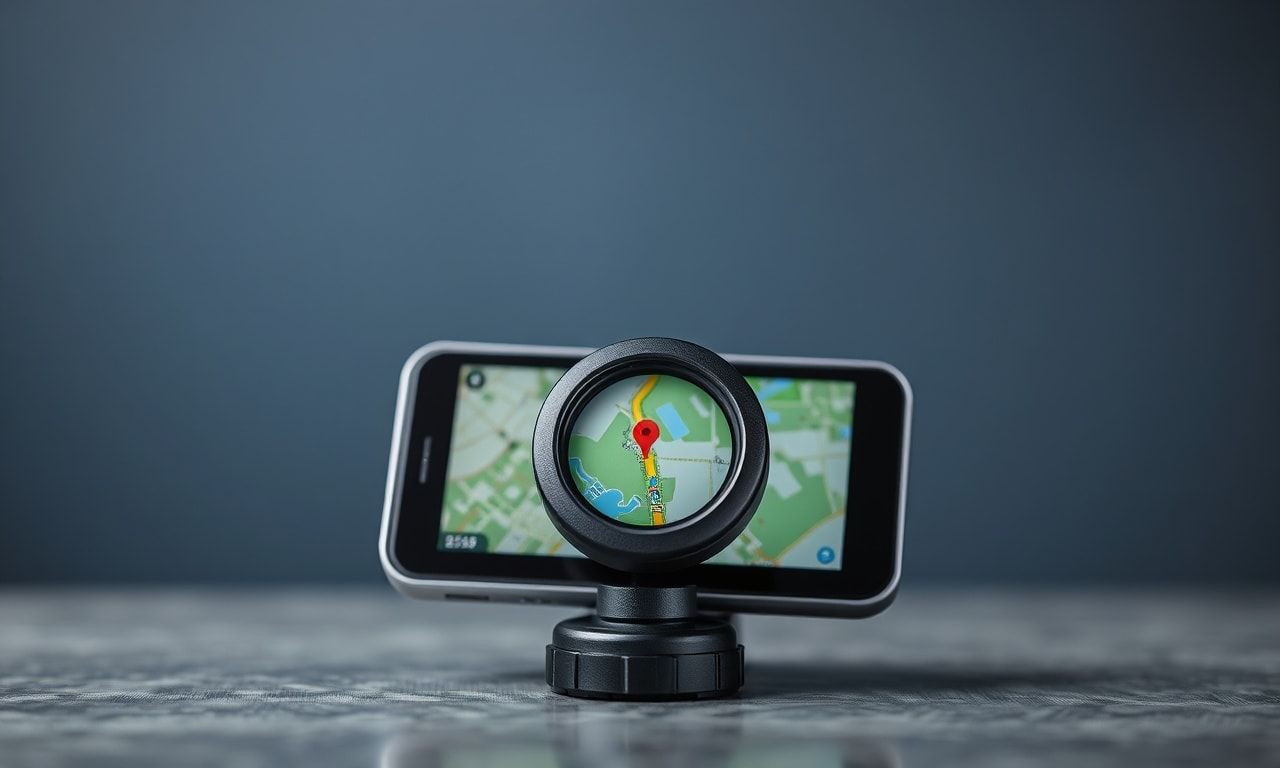
The Genesis of GPS Technology
Global Positioning System (GPS) technology has come a long way since its inception. Originally developed for military applications, GPS has evolved into an indispensable tool for everyday use. The system relies on a constellation of satellites orbiting the Earth, which transmit signals to GPS receivers. These receivers then calculate the user’s precise location, velocity, and time. The first GPS satellite was launched by the United States in 1978, and by 1994, the system achieved full operational capability with 24 satellites.
Military to Civilian Use
The transition from military to civilian use began in the 1980s. The U.S. government made GPS available for civilian use in 1983, following the shooting down of a Korean Air Lines flight that strayed into Soviet airspace. This tragic event highlighted the need for accurate navigation systems. By the 1990s, GPS technology had become widely available to the public, revolutionizing industries such as aviation, maritime navigation, and land transportation.
GPS in Everyday Life
Today, GPS technology is integrated into various aspects of our daily lives. From smartphone apps that provide turn-by-turn directions to fitness trackers that map our runs, GPS has become an essential part of modern living. One notable application is in the realm of personal transportation. For instance, motorcyclists now have access to advanced GPS systems designed specifically for their needs. These systems offer features like real-time traffic updates, route planning, and even integration with other vehicle systems. For those interested in the latest advancements in motorcycle GPS technology, Honda bike GPS and navigation system reviews provide valuable insights into the best options available on the market.
The Role of GPS in Emerging Technologies
GPS technology continues to evolve, playing a crucial role in emerging fields such as autonomous vehicles and the Internet of Things (IoT). Autonomous vehicles rely heavily on GPS for navigation, but they also use a combination of sensors, cameras, and AI algorithms to make real-time decisions. This integration of GPS with other technologies is paving the way for safer and more efficient transportation systems. In the IoT landscape, GPS enables the tracking and management of connected devices, from smart home appliances to industrial equipment.
Cybersecurity and GPS
As GPS technology becomes more ubiquitous, concerns about cybersecurity have grown. GPS signals can be vulnerable to jamming, spoofing, and other forms of interference. To address these challenges, researchers are developing advanced encryption techniques and anti-jamming technologies. Additionally, the integration of GPS with other positioning systems, such as Galileo and GLONASS, provides redundancy and enhances the overall reliability of the system. Ensuring the security of GPS technology is crucial for maintaining the integrity of critical infrastructure and protecting sensitive data.
The Future of GPS Technology
The future of GPS technology is bright, with ongoing advancements in satellite technology, signal processing, and AI. New satellite constellations, such as the European Union’s Galileo and China’s BeiDou, are expanding the capabilities of global navigation systems. These advancements are expected to improve the accuracy, reliability, and availability of GPS services worldwide. Furthermore, the integration of GPS with AI and machine learning algorithms will enable more sophisticated applications, such as predictive analytics and real-time decision-making.
Conclusion
From its military origins to its current role as an everyday essential, GPS technology has undergone a remarkable evolution. Its applications span a wide range of industries, from personal transportation to autonomous vehicles and IoT. As we look to the future, the continued advancement of GPS technology promises to bring even more innovative solutions to the forefront, enhancing our lives in ways we can only begin to imagine.
As tech enthusiasts, we’re always on the lookout for innovative applications of AI and software; check out revolutionizing bike safety with tech for a fascinating glimpse into the future of smart mobility.
In the realm of tech-driven investments, exploring Turkish villa opportunities reveals a unique blend of traditional charm and modern innovation, making it a compelling choice for diversifying your portfolio.
As technology continues to shape our lives, even seasonal adaptations can benefit from innovative solutions; discover how Las Vegas embraces tech for winter.