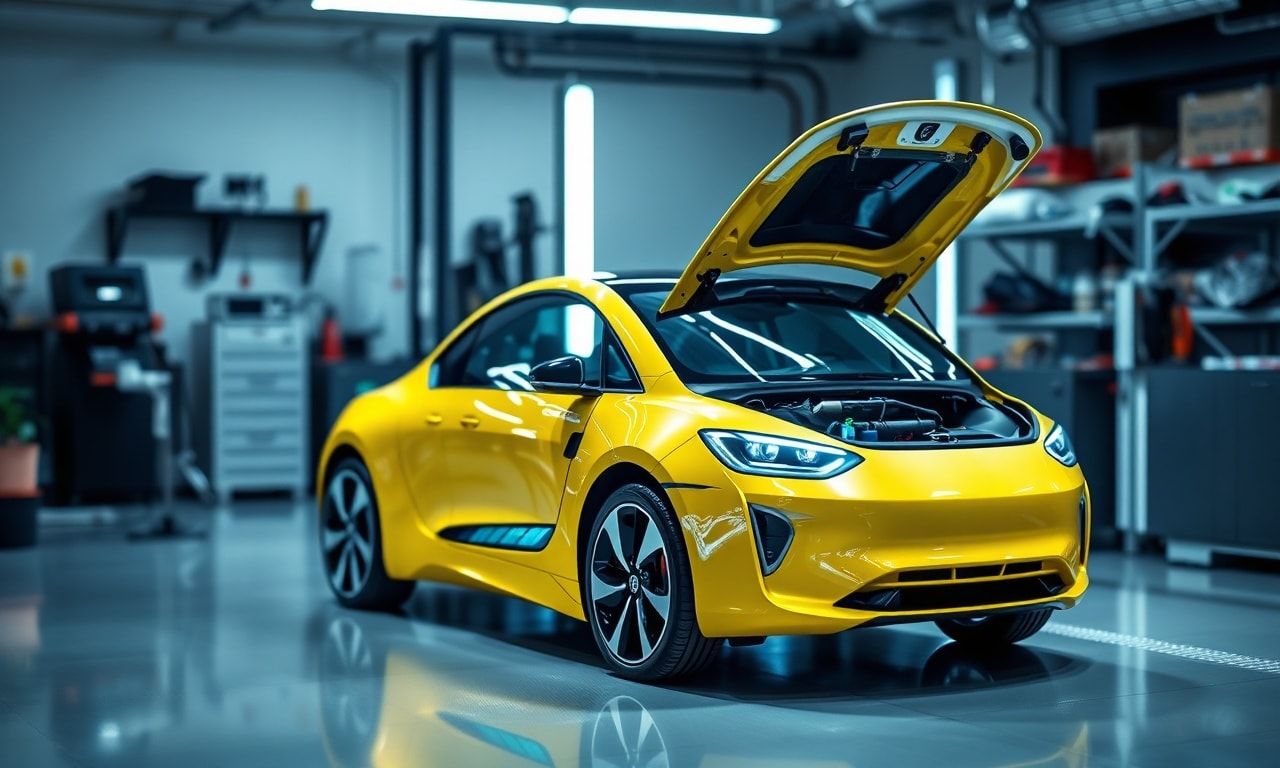
The Rise of Electric Vehicles
The automotive industry has witnessed a paradigm shift with the advent of electric vehicles (EVs). As the world gravitates towards sustainable energy solutions, EVs have emerged as a beacon of hope, promising reduced carbon emissions and energy efficiency. This transition is not just a shift in powertrain technology but also a testament to the advancements in battery technology, which forms the backbone of these vehicles.
Understanding EV Battery Technology
At the heart of every electric vehicle lies the battery pack, a complex assembly of individual battery cells. These cells are typically lithium-ion, known for their high energy density and efficiency. The battery pack is designed to store and supply electrical energy to the vehicle’s electric motor, enabling it to move. The capacity and performance of these batteries are critical factors that determine the range and longevity of an EV.
Modern EVs utilize advanced battery management systems (BMS) to monitor and control the charging and discharging processes. These systems ensure optimal performance, safety, and longevity of the battery pack. The BMS regulates temperature, state of charge, and state of health, providing real-time data to both the vehicle’s computer and the driver.
The Role of Battery Chemistry
The chemistry of the battery cells plays a pivotal role in the overall performance of an EV. Lithium-ion batteries, for instance, come in various chemistries, each with its unique characteristics. Some common types include Lithium Iron Phosphate (LFP), Lithium Nickel Manganese Cobalt Oxide (NMC), and Lithium Nickel Cobalt Aluminum Oxide (NCA). Each chemistry offers different trade-offs in terms of energy density, power output, and lifespan.
For example, LFP batteries are known for their safety and longevity but offer lower energy density compared to NMC or NCA batteries. On the other hand, NMC and NCA batteries provide higher energy density, making them suitable for long-range EVs but may have a shorter lifespan. Understanding these nuances is crucial for both manufacturers and consumers to make informed decisions.
Maintaining EV Battery Health
To ensure the longevity and optimal performance of an EV’s battery, regular maintenance and care are essential. One of the most critical aspects of battery maintenance is proper charging practices. Overcharging or deep discharging can significantly degrade the battery’s health over time. It is recommended to keep the battery’s state of charge between 20% and 80% for optimal performance and longevity.
Additionally, extreme temperatures can adversely affect battery performance. Both high and low temperatures can lead to reduced efficiency and capacity. Therefore, it is advisable to park the vehicle in a shaded area during hot weather and use climate control systems to maintain optimal temperatures. For more specific tips on maintaining the battery life of your Honda Civic, you can refer to resources like Honda Civic battery life tips.
Software and Firmware Updates
Modern EVs are equipped with sophisticated software and firmware that continuously monitor and optimize battery performance. Regular software updates can enhance battery management algorithms, improve energy efficiency, and extend the battery’s lifespan. Manufacturers often release these updates to address potential issues and improve overall vehicle performance.
It is crucial for EV owners to stay updated with the latest software releases and install them promptly. These updates can include improvements in battery charging profiles, thermal management, and state of charge estimation, all of which contribute to better battery health and performance.
Innovations in Battery Technology
The field of battery technology is constantly evolving, with researchers and engineers exploring new materials and designs to enhance performance and reduce costs. One of the most promising areas of research is solid-state batteries. Unlike traditional lithium-ion batteries, solid-state batteries use a solid electrolyte instead of a liquid one, offering higher energy density, improved safety, and longer lifespan.
Another exciting development is the use of silicon anodes in lithium-ion batteries. Silicon anodes can significantly increase the energy density of batteries, allowing for longer ranges and faster charging times. However, challenges such as volume expansion and degradation need to be addressed before these technologies can be commercialized on a large scale.
Recycling and Sustainability
As the number of EVs on the road continues to grow, the issue of battery recycling and sustainability becomes increasingly important. EV batteries contain valuable materials such as lithium, cobalt, and nickel, which can be recycled and reused. Proper recycling processes can recover these materials, reducing the environmental impact and the need for new mining activities.
Manufacturers and researchers are actively working on developing more sustainable and efficient recycling methods. Innovations in battery design, such as modular battery packs and standardized cell sizes, can facilitate easier recycling and repurposing of used EV batteries. Additionally, second-life applications for EV batteries, such as energy storage systems for homes and grids, can extend their useful life and reduce waste.
Conclusion
The evolution of electric vehicles is closely tied to advancements in battery technology. As we continue to innovate and improve battery performance, the future of EVs looks promising. Proper maintenance, regular software updates, and sustainable practices are essential for maximizing the benefits of this transformative technology. By staying informed and proactive, EV owners can ensure their vehicles remain efficient, reliable, and environmentally friendly for years to come.