The Dawn of a New Era
Artificial Intelligence (AI) has transitioned from the realm of science fiction to an integral part of our daily lives. This transformation has been driven by advancements in computing power, data availability, and algorithmic innovation. AI is now ubiquitous, from virtual assistants like Siri and Alexa to complex systems that power financial markets and healthcare diagnostics.
The Core Components of AI
AI encompasses a variety of technologies and approaches. At its core, AI involves the development of algorithms that enable machines to perform tasks that typically require human intelligence. These tasks include learning, reasoning, problem-solving, perception, and language understanding. Machine learning, a subset of AI, focuses on the development of algorithms that improve automatically through experience and by the use of data.
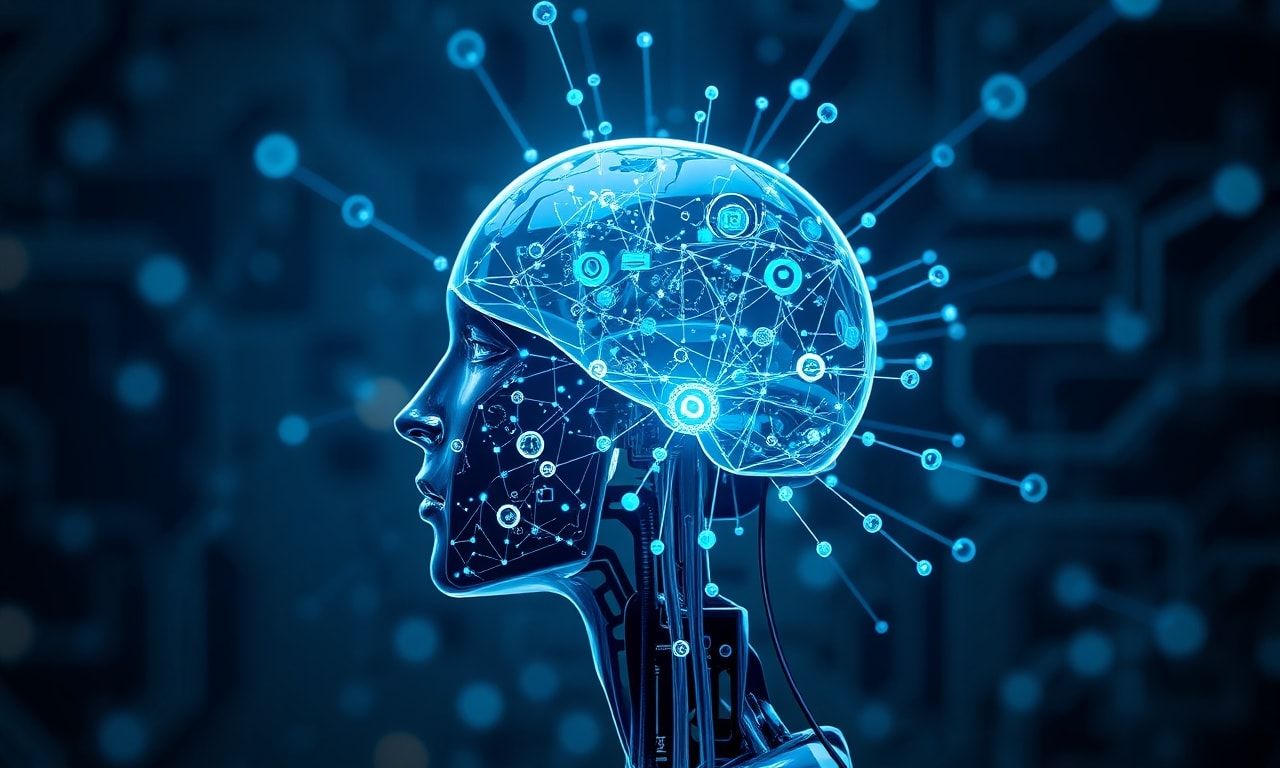
Neural networks, inspired by the human brain, are a key component of modern AI systems. These networks consist of layers of interconnected nodes that process information in a manner similar to biological neurons. Deep learning, a specialized form of machine learning, utilizes neural networks with many layers to analyze vast amounts of data and make predictions or decisions.
The Impact of AI on Various Industries
AI has revolutionized numerous industries, enhancing efficiency, accuracy, and innovation. In healthcare, AI algorithms assist in diagnosing diseases, predicting patient outcomes, and personalizing treatment plans. For instance, AI-powered imaging systems can detect tumors with a higher accuracy rate than human radiologists.
In the financial sector, AI is used for fraud detection, risk assessment, and algorithmic trading. AI systems can analyze vast amounts of transaction data in real-time to identify fraudulent activities and mitigate risks. Additionally, AI-driven trading algorithms can execute trades at speeds and volumes that are beyond human capability.
In the realm of cybersecurity, AI plays a crucial role in identifying and mitigating threats. AI systems can analyze network traffic patterns, detect anomalies, and respond to cyber threats in real-time. This proactive approach helps organizations stay ahead of potential security breaches and protect sensitive data.
AI in Everyday Life
AI has seamlessly integrated into our daily routines, often without us even realizing it. Virtual assistants like Siri, Alexa, and Google Assistant use natural language processing to understand and respond to our queries, making our lives more convenient. These assistants can set reminders, play music, control smart home devices, and even provide useful information daily tips.
Recommendation systems powered by AI enhance our online shopping and entertainment experiences. Platforms like Amazon, Netflix, and Spotify use AI algorithms to analyze our preferences and suggest products, movies, and music tailored to our tastes. This personalized approach not only improves user satisfaction but also drives sales and engagement.
The Future of AI
The future of AI holds immense potential and promises to bring about even more transformative changes. Advances in quantum computing, edge computing, and neuromorphic engineering are expected to further enhance the capabilities of AI systems. Quantum computing, in particular, has the potential to solve complex problems that are currently beyond the reach of classical computers.
Edge computing, which involves processing data closer to where it is generated, can reduce latency and improve the efficiency of AI applications. This is particularly beneficial for IoT devices and autonomous vehicles, where real-time decision-making is crucial. Neuromorphic engineering, inspired by the human brain, aims to develop brain-like computing systems that can perform complex tasks with minimal energy consumption.
As AI continues to evolve, ethical considerations and regulatory frameworks will become increasingly important. Ensuring that AI systems are fair, transparent, and accountable is essential for building public trust and fostering widespread adoption. Organizations and governments must collaborate to establish guidelines and standards that promote the responsible use of AI.
Conclusion
The evolution of AI from a theoretical concept to a practical tool has been nothing short of remarkable. AI has already made significant strides in various industries and continues to reshape our daily lives. As we look to the future, the potential of AI is limitless, and its impact on society will only grow. By embracing AI responsibly and ethically, we can harness its power to create a better, more connected world.
To stay ahead in the rapidly evolving tech landscape, delve into cutting-edge technology advancements shaping our future.
To complement our tech-driven world, discover how Asian flavors blend tradition with innovation, offering a unique perspective on culinary tech trends.
In the realm of tech and innovation, elegance often meets functionality, much like the timeless allure of pearl necklaces; for a deep dive into this classic accessory, explore pearls’ enduring sophistication and style.