
Smart Buy and Sell in Kyiv: A Tech Reader’s Practical Guide
Clear, practical guide for tech buyers and sellers in Kyiv. Learn safe steps, common pitfalls, and how to evaluate platforms and services.

When buying or selling in Kyiv, technology buyers and sellers need practical steps to protect themselves and get value. This article explains a clear what-to-do approach, from identifying trustworthy platforms to validating transactions and keeping records. You’ll learn concrete actions that reduce risk and improve outcomes in real-world trades.
First, outline your objective and risk tolerance: are you trading domestic hardware, software licenses, or services? Second, map the transaction flow: eligibility, payment methods, and delivery or transfer of ownership. Third, verify the platform’s reliability with a simple checklist before engaging any deal.
The goal is to give you a dependable framework for technology-related trades in Kyiv, without hype or ambiguity. By focusing on steps, not slogans, you’ll move confidently from inquiry to completion.
- Identify trustworthy platforms with clear protections. Verify ownership and test functionality before payment. Use escrow where possible and document every step.
- Choose the right channel for your needs, balancing cost, risk, and support. Demand transparent terms and a tracked handover.
- Watch for red flags such as pressure tactics or opaque ownership proofs. Pause and verify when in doubt.
- Keep receipts, serials, and transfer documents organized to simplify post-sale support and audits.
Basics of safe tech trades
Assess the platform first
Choose marketplaces with clear terms and enforced policies. Check provider history, user reviews, and response times for disputes. Prioritize platforms that offer verifiable seller information and moderation. купівля та продаж у Києві
- Assuming trust: verify seller identity and history
- Ignoring dispute terms: read policies before payment
- Rushing closure: pause for verification steps
The first decision point is whether the platform has documented buyer protection and transparent fee structures. If a seller cannot provide proof of legitimacy, walk away and record the interaction.
A concrete example is comparing two local marketplaces: one with a robust dispute resolution process, another with vague terms and few safeguards. Seek the former for fewer unknowns and faster resolution.
Tech verification in practice
Check product and license validity
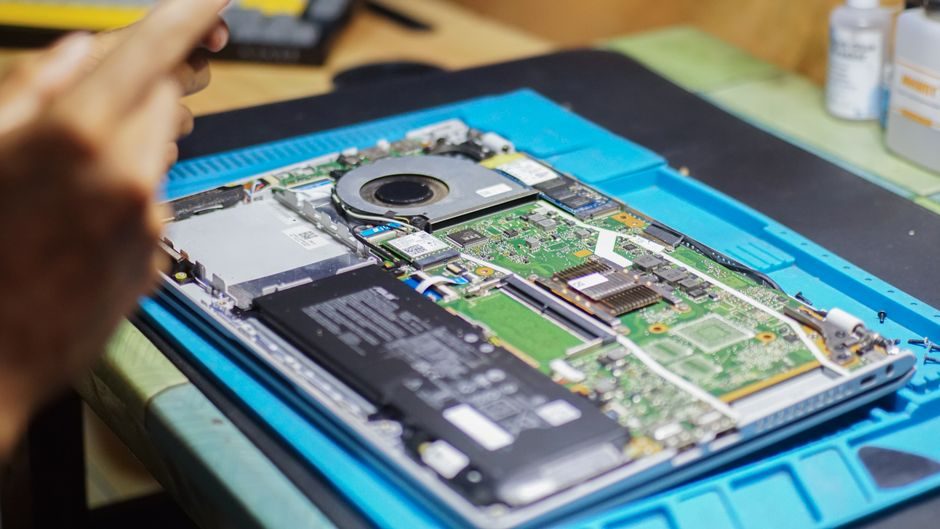
Ask for serial numbers, certificates, or license keys when relevant to the item. Compare the claimed specs with what is delivered and test basic functionality. Document any discrepancies before payment. A useful resource on this topic: KievC новини.
A practical rule is to request proof of ownership or transfer documents and verify the item’s condition in writing. If screenshots replace physical checks, insist on a video walkthrough.
For instance, verifying a software license entails checking activation limits and legitimacy with the vendor. For hardware, test boot, peripherals, and network connectivity on arrival.
Options for platforms and methods
Choose the right channel
Different channels suit different needs: marketplaces with escrow, direct vendor sales, or regional bulletin boards. Evaluate fees, protection, and delivery options. Consider whether you need post-sale support or installation help. A useful resource on this topic: місцеві події у Києві.
- Escrow improves trust between buyer and seller
- Government or vendor support matters for post-sale issues
- Documentation minimizes ambiguity in ownership transfer
When possible, favor escrow-enabled transactions and escrow-backed warranties to limit risk. If you deal with a private seller, insist on a secure payment method and a tracked handover.
A typical scenario is selecting a marketplace that offers escrow for a software bundle and a hardware warranty, rather than a private transfer. This increases accountability for both sides.
| Platform type | Protection level | Typical costs |
|---|---|---|
| Escrow marketplaces | High | Moderate to high fees |
| Direct seller via vendor | Medium | Variable fees per region |
| Private transfer (unknown) | Low | Uncertain costs and risks |
Guard against hidden fees hidden in exchange rates, delivery charges, or late refunds.
Potential pitfalls and warnings

Recognize red flags early
Notice requests for unusual payment methods, vague ownership proofs, or pressure to rush the deal. These signs often accompany higher risk of fraud or misrepresentation. Pause and reassess before proceeding. A useful resource on this topic: знайти компанії у Києві.
Guard against hidden fees hidden in exchange rates, delivery charges, or late refunds. Request a breakdown of all costs before payment.
In a typical warning scenario, a seller insists on a payment link outside the platform and avoids sharing verifiable contact information. Such patterns warrant caution.
Technical due diligence for buyers
Assess device provenance and build
Begin with a clear record of where the device or software originated. Verify serials, model numbers, or license keys and check for mismatches that hint at tampering. Look for signs of prior repairs or nonstandard components that could affect reliability. написати некролог у Києві
- ☐ Confirm the item matches its listing with photos or docs
- ☐ Record the exact model and firmware version
- ☐ Request a test run to validate core functions
- ☐ Store contact details and a written agreement
Cross-check the seller’s claims against public specs and firmware versions. Run a basic feature check to confirm essential functions work as advertised. Document any inconsistencies in writing before proceeding.
- Check serials and model numbers
- Confirm firmware or software versions
- Note inconsistencies for later follow-up
Risk assessment without delay
Identify the most critical risk factors early, such as data exposure, warranty status, and potential licensing conflicts. Prioritize issues that would halt use or require costly fixes. Use a simple risk matrix to rate likelihood against impact.
Develop a quick remediation plan for each major risk, including possible fixes, third-party service options, and acceptable trade-offs. This keeps negotiations realistic and protects future usability.
Document decisions and keep a dated log of changes so you can revisit them if needed.
- Data exposure risks
- Warranty and licensing status
- Remediation options and trade-offs
Building a compliant transaction flow

Legal groundwork for tech trades
Lay out the core terms of the deal early: what exactly is being transferred, payment timing, and any contingencies. Use simple, precise language to prevent later misinterpretation. Align delivery timelines with verification steps to avoid friction.
Include a validation period where the buyer can test core functionality before final payment. Define what happens if key criteria aren’t met. Keep condition clauses specific and avoid vague terms.
Record all agreements in writing and ensure both sides can access the document. A clear paper trail reduces disputes and speeds resolution if issues arise.
- Define transfer scope
- Set validation period
- Agree on consequences for unmet criteria
Payment and transfer mechanics
Choose a payment method that offers recourse and traceability. Avoid cash-only deals for high-value tech items. Set milestones that release funds as verification steps complete.
If possible, use escrow or a trusted intermediary to minimize risk for both sides. This protects against non-performance without tying up funds indefinitely.
Prepare a straightforward handover package with licenses, access credentials, and honest notes on any caveats.
- Use traceable payment methods
- Consider escrow for protection
- Handover should be complete and documented
Safeguards for ongoing support
Post-sale support expectations
Clarify what level of support the seller will provide after the sale. Define response times, bug fixes, and availability windows. This reduces post-transaction disputes and keeps users confident in the setup.
- Support scope and limits should be clear
- Response times must be realistic
- Escalation paths should be defined
- End of support terms need clarity
Offer a straightforward process for reporting issues and requesting updates. A mutual understanding of service levels helps both sides plan ahead.
Document any ongoing obligations in the contract and specify how long support lasts and under what conditions.”
- Define response times
- Set scope of fixes
- Document duration of support
Data handling and privacy
Identify any data that could be exposed during the transfer. Wipe personal data where possible and segregate business data. For devices with onboard storage, confirm data handling steps before seal.
If data transfer is unavoidable, use encryption and safe transfer channels. Maintain logs of data moved and data destroyed.
Provide a plan for ongoing security updates or patches if applicable, and specify who is responsible for maintenance after the sale.
- Data minimization first
- Use secure transfer channels
- Maintain an audit trail of changes
Local market realities and opportunities

Kyiv market dynamics and timing
Prices and demand shift with seasonality and regulatory changes. Observe current listing trends to gauge realistic expectations for value. Don’t rush into transactions during high-transaction windows if you’re unsure about the item’s condition.
Use a standard checklist to compare similar items today versus a few months ago. This helps you decide when a deal is fair and when it isn’t.
Keep a local contact network to verify seller legitimacy and to speed the process when you need quick confirmations.
- Watch for seasonal price shifts
- Compare with comparable recent sales
- Verify seller legitimacy
Opportunities for tech buyers and sellers
Find opportunities in off-market assets by building relationships with trusted sellers and small repair shops. These sources can offer well-maintained items with clear histories. Approach them with a simple, repeatable process to become a preferred buyer or seller.
In markets with limited formal listings, a transparent, verifiable process becomes a competitive edge. Buyers can move faster when they already trust the seller’s documentation and test results.
Maintain clear records of all transactions to support future value recovery and to facilitate re-sales.
- Develop relationships with trusted sellers
- Create a repeatable process for deals
- Keep complete transaction records
Frequently asked questions
What counts as proof of ownership in Kyiv tech trades?Proof of ownership varies by item but typically includes receipts, warranty documents, serial numbers, and transfer records. Collect these before negotiating. If any item is missing documentation, request it in writing and consider pausing the deal until it’s provided.
Should I use a broker or go direct?Direct deals can be efficient when both sides are transparent and the item’s history is solid. A broker adds a layer of verification and paperwork, which can reduce risk but may add cost and delay.
How long should a verification period last?A practical window ranges from a few days to a couple of weeks, depending on the item’s complexity and the availability of test environments. Define exact dates in the contract to avoid disputes.
What red flags should I watch for?Inconsistent documentation, vague listing details, pressure to move quickly, and reluctance to provide test access or proof of maintenance are all signals to pause and reassess.
Conclusion
Takeaway: A structured due-diligence flow reduces risk and speeds Kyiv tech trades by making expectations clear and verifiable. Start with provenance checks, then add testing, then formalize the agreement as part of your standard process.
Next step: adopt a repeatable, written procedure for every buy or sell. Build a checklist, keep records, and insist on a documented handover to protect your interests.
Add Science News as a preferred source on Google


