
How to post tech events in New York City: a practical guide
A clear, journalist-led explainer for tech readers: what posting events in NYC entails, why it matters, and how to do it well.

What you gain by posting an event in New York City goes beyond signage and invites; it aligns with audience reach, platform reach, and data-driven promotion. This guide explains the practical steps, the considerations that matter to tech-focused organizers, and how to avoid common setup mistakes. You’ll come away with a repeatable workflow that fits within standard content calendars and analytics goals.
First, define the event’s tech relevance and audience. Then choose the right posting channels, from official city listings to tech community boards. Finally, prepare concise copy, media, and a clear registration path that scales as interest grows.
This explainer keeps the process concrete: what to publish, where to publish, and how to measure success without overdoing it. It bridges technology targets with practical listing mechanics so readers can act confidently.
- Post events in NYC where tech readers look: industry calendars, community boards, and platform pages.
- Craft concise, value-driven copy; include date, place, and a clear registration path.
- Choose channels wisely and maintain a consistent posting cadence with reminders.
- Measure impact with page views and registrations to improve future listings.
Basics of listing tech events
What qualifies as a tech event
A tech event centers on software, hardware, or related disciplines and offers learnings or demonstrations. It should have a clear schedule, a stated audience, and a registration path. The goal is to attract attendees who can use or evaluate new tools, platforms, or ideas. A useful resource on this topic: post your event in New York City.
When evaluating relevance, consider the event’s format: conference, meetup, hackathon, or workshop. Each type appeals to different segments of the tech community and to different listing platforms. Relevance improves visibility with the right readers.
If you’re unsure, compare similar listings on established platforms to gauge whether your topic matches current tech interests and audience expectations.
- Clear title with tech focus
- Defined audience and goals
- Accessible RSVP or ticketing
Choosing the right channel
Start with industry calendars and community boards that cater to developers, engineers, and researchers. These channels typically reach readers already engaged with tech topics. Balance broad exposure with targeted visibility to maximize signups.
Consider platform-specific tweaks: short summaries for micro-blogs, longer descriptions for event pages, and tech-specific tags that improve searchability. A consistent posting cadence helps audiences recognize your event.
Do a quick audit of past listings to see where similar events gained traction. Use that signal to decide where to publish first and what to optimize.
Crafting the listing content

Creating concise, useful copy
Lead with what attendees will learn or experience, not just what time and where. Tech readers respond to practical value: hands-on demos, case studies, or new tooling demonstrations. Include a 1-2 sentence value proposition. For broader visibility, a post on New York City News online can amplify coverage and draw interest from readers who follow urban tech trends.
- Lead with value, not metadata
- Make registration easy to find
- Conclude with a direct CTA
Follow with logistics: date, time, location, and whether the event is virtual or in-person. Provide the registration link early so readers don’t hunt for it. Avoid long walls of text that dilute the core message.
Close with a call to action that matches the reader’s intent, such as “reserve your spot,” “join the beta,” or “learn how this tool fits your stack.”
- Value proposition first
- Clear logistics
- Direct registration link
Media and visuals that help conversion
Include an event banner or hero image that clearly reflects the tech focus. Use screenshots or diagrams only if they add clarity and do not overwhelm the reader. Ensure accessibility with alt text that describes the visual.
Add a short speaker bio or host profile if relevant; readers trust listings with credible context. A 1-2 sentence projector about agenda items can help set expectations.
Test different visuals to see which garner more clicks, then standardize the most effective format for future listings.
Timing and follow-ups
Scheduling tips for visibility
Post listings early enough to give readers time to plan, but close enough to the event to feel timely. Align with other tech events to avoid audience clashes. Use reminder posts as the event date approaches. To comply with business formalities, you might need to register your company in New York City before certain events or listings.
Leverage social proofs like speaker credentials or case study references to increase trust. If the event has a release or product tie-in, coordinate timing for maximum relevance.
Keep a simple cadence: initial listing, reminder, and final call to register a day before the event.
- Early, but timely posting
- Coordinated with similar events
- Clear reminder cadence
| Channel | Pros | Cons |
|---|---|---|
| Industry calendars | Broad reach to tech readers | May require approvals and timelines |
| Community boards | Engaged local tech crowd | Limited international visibility |
| Event pages on platforms | Direct registration and analytics | Platform fees may apply |
Follow-up content that sustains interest
After registration closes, publish a brief recap of what attendees will gain and what to expect on the day. This sustains interest for future events and builds a library of past content.
Share a teaser of what the audience learned, including any slides or demonstrations that can be made public. Provide a contact point for questions that aren’t covered in the FAQ.
Track engagement metrics such as page views, signups, and click-through rates to refine future listings.
Verify that all links work and that dates, times, and locations are correct across all platforms.
Compliance and best practices

Privacy, accessibility, and accuracy
Respect attendee privacy by avoiding unnecessary data requests; only collect what’s essential for registration. Ensure accessibility with readable fonts, sufficient contrast, and alt text for images. If the event involves a sale of tickets or services, plan how to buy and sell in New York City to simplify attendee purchases.
Verify that all links work and that dates, times, and locations are correct across all platforms. Inaccurate details erode trust and reduce attendance.
Be transparent about ticketing rules, refunds, and any required materials to set clear expectations from the start.
Ethical and legal considerations
Disclose sponsorships or affiliations if present. Clearly distinguish neutral information from promotional content. Avoid misrepresenting the event’s scope or credentials.
Respect platform guidelines and city rules for public listings. When in doubt, reference official policies rather than improvising terms.
Maintain a professional tone that aligns with the tech community’s standards and expectations.
Options for listings
Platforms to use for postings
Identify primary tech-focused platforms that reach your target audience, such as local tech communities, university tech clubs, and industry forums. Choose a mix of calendars and social channels to maximize visibility without duplicating effort. Ensure each listing includes date, venue, and a concise description tailored to a technical readership. post a funeral announcement in New York City
Match the platform to the event type, whether a conference, meetup, or workshop. For technical talks, include speaker bios and a brief summary of the topics. For hands-on sessions, specify prerequisites and equipment needed so attendees come prepared.
Use platform-native formatting to improve readability and engagement. Bullet lists, code blocks, or short abstracts can help engineers skim quickly. Always verify time zones and add clear call-to-action buttons like RSVP or ticket links.
- Targeted groups (local devs, data scientists, hardware hackers)
- Event category (talk, workshop, hackathon)
- Clear RSVP or ticketing link
- Venue accessibility and safety notes
Pitfalls to avoid

Common listing mistakes to dodge
Overloading a listing with unrelated details makes it hard to grasp the event’s scope. Stick to a concise tech-focused description and include only essential prerequisites. This helps potential attendees gauge fit quickly. Re-check for ambiguous dates or missing venue details before publishing.
- Identify and fix any broken links before going live
- Ensure all times align with local timezone
- Provide a single point of contact for inquiries
Avoid vague incentives or promises that are not technically grounded. Instead, offer concrete outcomes, such as hands-on labs or demonstrations. Ambiguity invites missed registrations and questions that slow the process.
Always test the listing’s accessibility, including alt text for images and keyboard navigation on registration pages. Technical readers expect reliability; a broken link costs credibility. Keep contact paths clear so inquiries don’t bounce between teams.
- Vague topics
- Missing prerequisites
- Broken links
- Unclear registration flow
Practical tips for organizers
Managing tickets and capacity
Define a maximum headcount based on room size and safety guidelines. Use a simple ticket tiering model to control demand, such as general admission plus a limited student allotment. Communicate capacity early to avoid overbooking.
- Define capacity
- Set ticketing rules
- Confirm speakers and schedule
- Run a dry test and finalize run-of-show
Track registrations in real time and confirm critical selections, like workshop prerequisites or hands-on components. Send reminders a week and a day before the event to reduce no-shows. Provide an explicit cutoff for ticket sales to prevent last-minute disruptions.
Coordinate with AV teams, speakers, and volunteers to align on timing, gear, and backup plans. A tech event often hinges on reliable streaming or recording, so test equipment ahead of the session and have a fallback option. Document a brief run-of-show for all staff.
- Set a capacity cap
- Offer a limited free/discounted tier
- Send reminders and confirmations
- Test AV and streaming setup
Tools and resources
Software to streamline postings
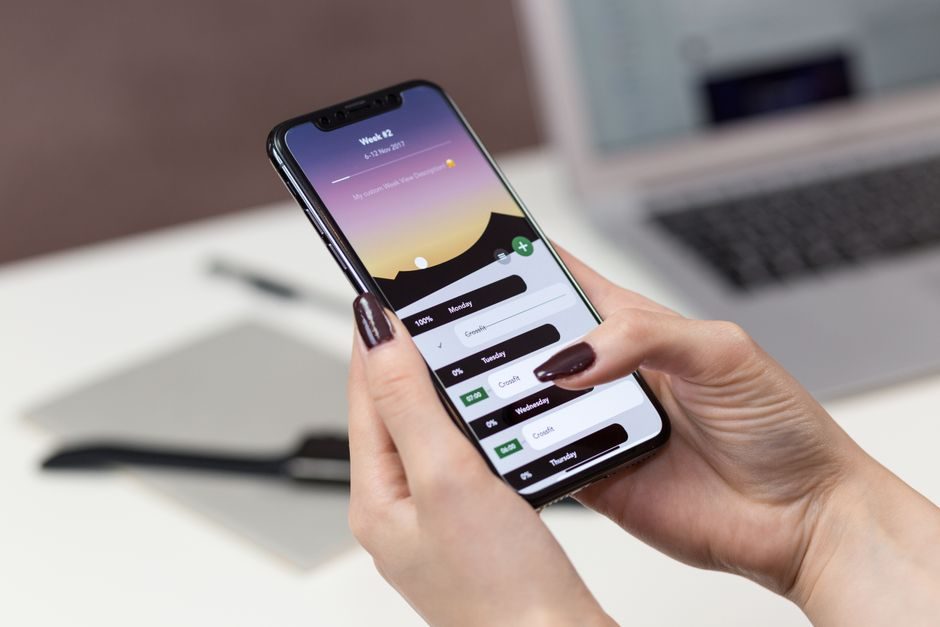
Choose event management tools that support local calendars, email follow-ups, and attendee segmentation. A focused tool set reduces manual copy-paste work and ensures consistency across channels. Verify data export options in case you need analytics for future events.
Integrate registration with payment and calendar apps to avoid late registrations or miscounts. For technical audiences, provide a clear API or developer-friendly registration flow if you offer a technical track. Use analytics sparingly and only for approved metrics.
Establish a post-event review process that captures attendance numbers, feedback, and technical issues. Retain notes on what to fix for the next listing cycle. A structured debrief helps teams improve efficiency and reliability for future postings.
- Calendar integrations
- Email automation
- Payment and ticketing
- Post-event review
Frequently asked questions
What makes a tech event listing effective for NYC readers?An effective listing clearly states what attendees will learn, why it matters to technologists, and what hands-on elements are included. It targets readers who evaluate talks for practical takeaways and real-world skills.
How soon should I publish before the event?Publish when the details are fixed and the venue is confirmed. Early posts help visibility, but last-minute edits can confuse potential attendees. Maintain a stable revision schedule to prevent mixed messages.
What metrics matter after posting?Look at saves, clicks to registration, and completed registrations. A steady, quality engagement indicates you’ve reached the right audience. Avoid chasing vanity metrics like total impressions without context.
What about accessibility and inclusivity?Ensure easy registration, alt text for images, and clear language. Promote accessible venues and provide information on accommodations and transport options.
Conclusion
Takeaways for tech organizers: Plan with a technical reader in mind, focus on concrete outcomes, and coordinate logistics early to reduce friction. A well-structured listing improves engagement and attendance.
Next steps: implement a repeatable process for NYC listings, test the technology in advance, and iterate based on feedback to keep momentum for future events.

Add Science News as a preferred source on Google


